What happened
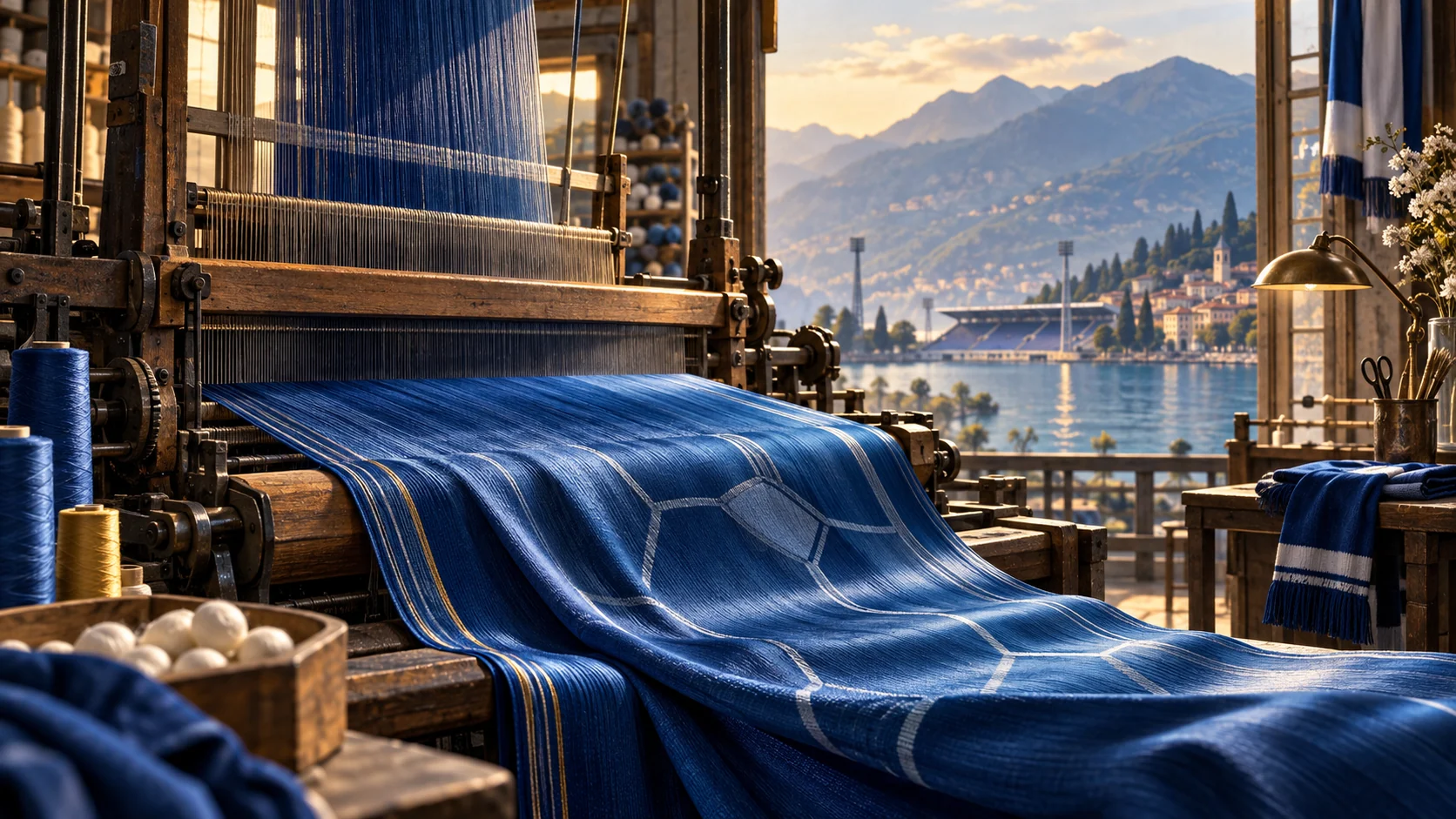
Como is famous for the lake, but the city has another identity woven through its streets: silk.
Como’s municipal tourism portal dates the local silk tradition to the sixteenth century. The decisive change came with industrialisation in Lombardy during the second half of the nineteenth century, when Como became a European leader in producing and exporting fine textiles.
The municipality describes a twelve-room route at the Museo della Seta di Como following the process from raising silkworms through reeling, weaving, dyeing, printing and finishing, ending with the completed garment. The museum itself describes a collection of machines, objects, documents, samples and working tools that preserves the city’s textile tradition.
The Como view
A match at the Sinigaglia already connects football, lake and city in a way few grounds can. The silk story adds the part that a postcard can miss: Como was also shaped by skilled work, machinery, design and trade.
Sempre Como Editorial Desk
The museum preserves that working memory through machines, tools, fashion collections and production records. It makes the nickname tangible. “City of Silk” is more than a line for visitors; it describes an industry that changed how Como made its living and how the city became known across Europe.
If you are travelling for a match, this is the kind of stop that helps the city feel less like a backdrop. The lake may be the first thing you see. Silk explains something about the hands and ideas behind Como.
Bottom line
Blue by the lake belongs to the club’s visual world. Silk belongs to the city’s working memory. Knowing both makes a weekend in Como richer.